I was in Panama from the end of January, 2020, through the beginning of February. I didn’t drive to Panama, but I drove for two straight weeks in Panama, so it’s a road trip, and this is my report. For a quick description of what this report is, and isn’t, go here.
The plan: Go to Panama, rent a car, drive it all over the place.
 This map shows everywhere I drove in Panama, although a few roads weren’t on the map and in some cases I don’t know what road I was driving. Red dots indicate places I spent the night, including three separate nights in Panama City and two nights in Mechi. I need to look into an app or something that can generate maps like this for me, because this took way too long to make.
Panama in a nutshell: Modern cities, indigenous villages, beaches, volcanoes, jungles, coffee, cattle.
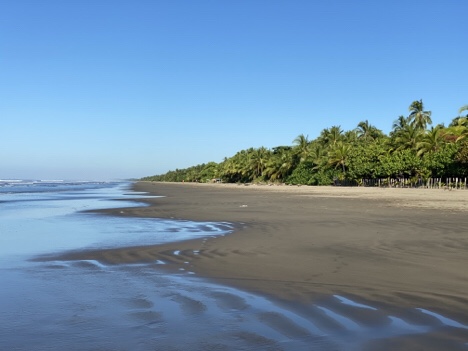
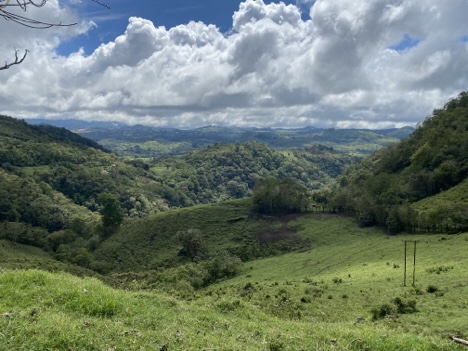

My first impression of Panama was that it felt like a fifty-fifty mix of other Central American countries and a Caribbean island, only more modern and more international. That said, the familiar, comfortable feeling I normally get in the tropics took me awhile to find in Panama — I didn’t get there until around day eight or nine. I liked it and was having a good time prior to that, but it took me awhile to ‘get’ the place. It’s entirely possible it was all in my head. By the end of the trip, I certainly didn’t want to leave.
The people: Panama is more ethnically blended than other Central American counties I’ve visited, by which I mean that neighborhoods seem to be less segregated; this is likely due in large part to the geography of the country, the Pacific and Caribbean coasts being so close together. There’s a significant indigenous population, living mainly on tribal lands called comarcas, the largest of which is the Ngäbe-Buglé in western Panama. I never figured out why the two were grouped together; according to my research they speak entirely distinct, mutually unintelligible languages. Most of the indigenous people I saw were Ngäbe, and in the villages there were kids everywhere. If I had my music turned up too loud in the car, the littler ones would run out to the roadside and dance, which was pretty adorable.
While most indigenous people do seem to live on the comarcas, they are certainly not restricted to those areas and it’s not unusual to see women in traditional dress mixed in with everyone else, even in some of the bigger towns. Panama also has significant Asian and Middle Eastern populations compared with other Central American countries.
I’ve been told that Panamanians are rude, but I didn’t find that to be the case; my impression was that they were guarded when it came to outsiders, and given the country’s shared history with the United States, I can’t imagine them being any other way. However, a little kindness and respect go a long way, and I found that people dropped their guard quickly, as soon as they saw that I was a human being. A few people asked me if I was looking for real estate and were quick to extol the virtues of their country. I felt quite welcome most of the time.
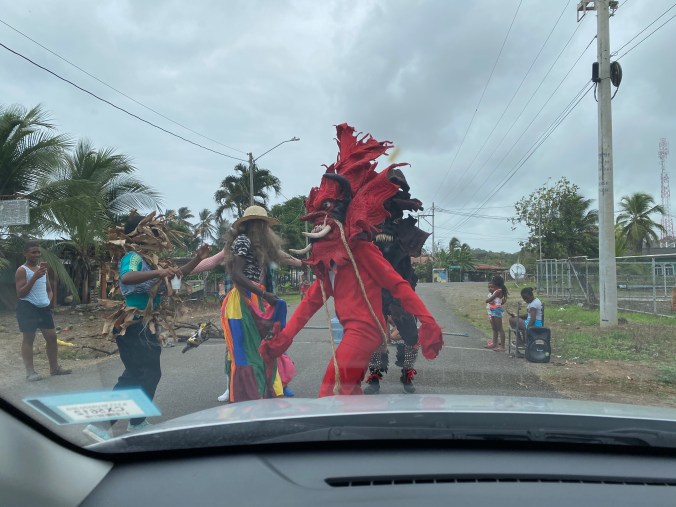 On the Caribbean side, people sometimes put on costumes and dance on the road for spare change; I saw this mainly east of Colón on the road from Sabanitas to Cuango. It can be women in colorful, elaborate dresses, or young men in drag, or in demon costumes. In some cases little kids get involved, too, and they may bring chairs or milk crates onto the road and sit in them to keep cars from getting by. A little spare change opens the street right up; if you really don’t want to pay, you can slowly roll through and no one’s going to key your car or anything, but a better play is to take a picture and give them a buck or two for their trouble. They’re trying to entertain you, not rob you, so be nice.
 The driving: One thing I really enjoyed about Panama was doing different types of driving on the same day. I drove 3,600 miles in thirteen days (OK, 3,598.5…) in city traffic, on modern highways, on country roads and jungle trails. The only condition I didn’t have to deal with was snow and ice, but I got that as soon as I got home. My rental car was a Kia Rio; I would never have considered driving a Kia anything, but it was a good car, and the perfect size for Panama. You don’t want a big vehicle there; the shorter and narrower the car, the better. If I was buying a vehicle, I’d go for the smallest four wheel drive I could find.
I read horror stories about renting a car in Panama. They would try to scam me on unnecessary insurance, charge me a $2,000 deposit, charge me some ungodly rate to use a Panapass (toll road pass), and when I returned the car, they’d inspect it for damage on the molecular level and charge me triple for everything. I went prepared. I had a printout of my credit card’s rental car insurance policy, I was sure to have enough room on my Visa for the massive deposit, and I knew where to get my own Panapass. I would inspect the car before I took it out, find every tiny blemish, make sure it was marked on the form, and photograph it in case the original form was lost. I wouldn’t rent from an airport rental office like a sucker, either.
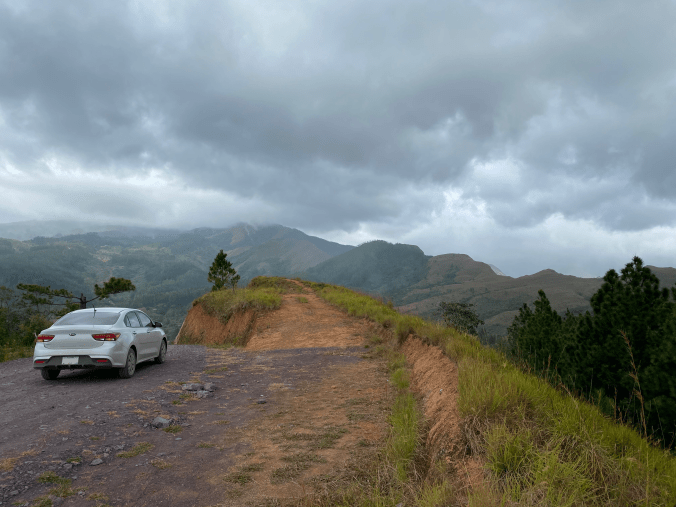 I made a reservation before I left the States, but never received a confirmation email, so I tried again using a Spanish language site, and that worked. Once in Panama City, I left my hotel the first morning and walked to the rental office, where they told me they didn’t have the car I’d reserved, but would give me something similar with a manual transmission. Then a few minutes later they told me I had two reservations in the system and the other car I’d reserved was available, so I got to go automatic after all. It’s worth noting that most cars in Panama are manuals, so if you’re part of the growing number of people who don’t know how to drive one, maybe learn. I don’t drive them very often myself, so there’s always a bit of an adjustment period.
They never offered me extra insurance. The deposit was $250, not $2,000. The Panapass was a one-time charge of $8 plus whatever tolls I racked up, and it would come out of my deposit. We didn’t inspect the car; they handed me the key and told me what space it was parked in, and I was off. It was easy, straightforward, honest, and quick. I wondered if the other shoe would drop when I returned the car.
If you haven’t at least driven in a major US city, preferably Manhattan, Panama City might not be the best place for you to get your feet wet in terms of driving abroad. You need to be more alert, more aggressive, and more patient. You can’t get angry or stressed — you have to just experience the driving conditions and ‘go with the flow’. Assuming you’re up to the task, remember the axiom, he who hesitates is lost. Be bold. In Panama City, you don’t wait for an opening to pull out into traffic, you just go. When you need to change lanes, you just go. On those rare occasions when you pull up to a stop sign… you guessed it. A stop sign in Panama does not mean the same thing as a stop sign in the US. It means something, but I’m still not sure what, exactly.
Most of the streets in the city are one-way, but few are marked as such. (Street names are also mostly unlabeled.) The traffic will generally tell you which way to go, but if there’s any doubt, look at the direction the parked cars are facing; they won’t all be pointed in the right direction, but hopefully most of them will be. At intersections with no stop signs or lights, which is almost all of them, right of way goes to the larger street, maybe, or whichever one other drivers seem to have the right of way on. To cross one of these intersections when you don’t have the right of way, you have to simply drive out into moving traffic and bully your way across; don’t hesitate, and don’t worry about making anyone mad. No one gets mad about that stuff, and that also means that if you’re wrong about who has the right of way, it doesn’t really matter.
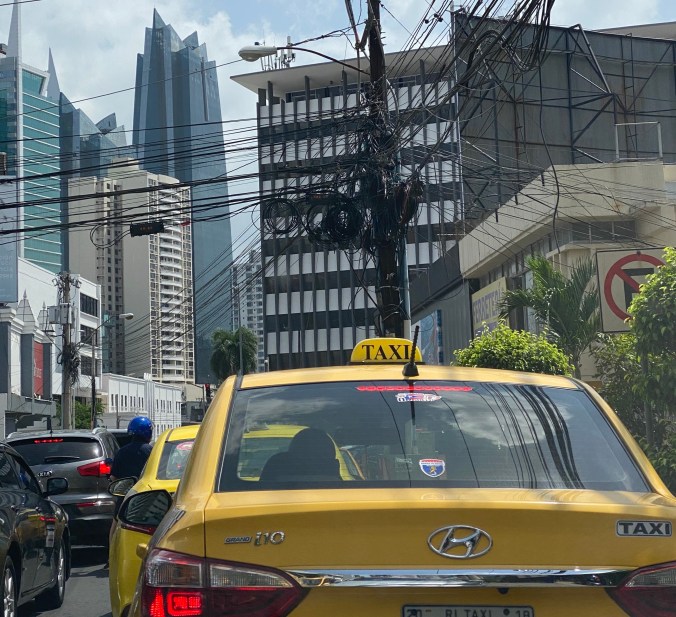
It’s generally accepted that taxi drivers are the best drivers in any given city, but in Panama this is not the case, so don’t look to them as examples. Notice how all the taxis are covered in dents. Notice that when you witness car accidents, and you will witness car accidents, they almost always involve taxis. Part of the problem with taxis is that the drivers are always scanning the sidewalk for fares instead of watching traffic. Another part of the problem is that they’re watching music videos and making phone calls. Be careful around them, but don’t think you can avoid them, because there are about seven taxis for every human being in the city.
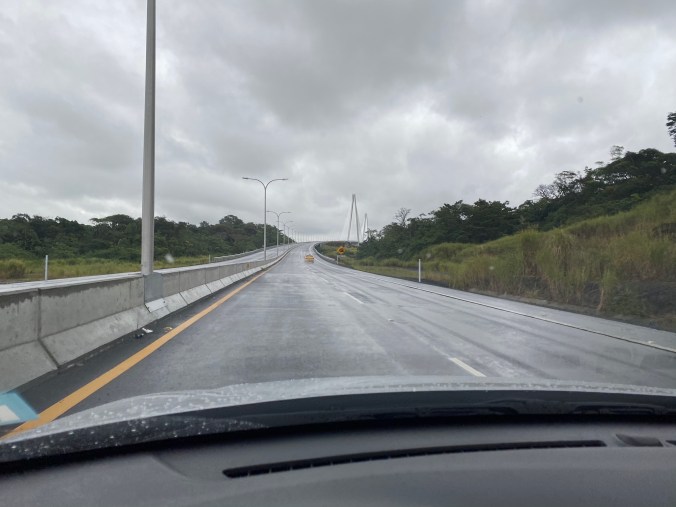
It’s entirely possible to avoid paying any tolls in Panama, and for my first few days there I did just that, but eventually I gave in and started using the toll roads. It’s pretty damned convenient. There are two toll roads in Panama City: Corredor Norte and Corredor Sur; they run east-west across, yep, the north and south of the city, respectively. You approach the toll gates at about 30 kph, a machine scans your Panapass, which is stuck to your windshield someplace, and the gate opens to let you through. In heavy traffic the gate stays up as multiple cars pass through. I’ve been on tolls roads in the States that do essentially the same thing, but there’s no little arm going up and down, and for some reason it’s not quite as satisfying. There is no way to use the two Corredores without a Panapass, and as I understand it, you can’t register a car in Panama without one, but maybe that’s only in the city.
Panama’s third toll road runs from Panama City to Colón, and doesn’t use Panapass; it currently costs $2.30 to make the drive, and it’ll save you a lot of time over taking the side roads, but I suggest doing both, so you can see more. It’s also the fastest road in Panama, with a speed limit of 110 kph.
 Once you’re out of the city, things change. You can relax a little, enjoy the scenery, get some distance between yourself and your fellow drivers. On the Panamerican Highway you’ll have mostly very good road conditions, but speed limits vary. In most places it’s 100 kph, but be prepared to slow down to 80 whenever you get into a populated area, and in some cases it drops to 50. There are motorcycle cops with radar guns pretty much everywhere, and most of the radar guns are real…
Know that you will see a lot of road kill, and it will be different road kill than you’re used to up north. I saw a lot of dead sloths, a monkey, a couple tamanduas, some armadillos, some dogs, a bunch of vultures, and quite a few unidentifiable creatures. It’s upsetting, but it’s also there whether I see it or not, so I might as well see it. Fortunately I only hit one animal — a chicken who decided to fly in front of my car from the opposite side of the road for no reason whatsoever, and sort of skipped across my windshield. I wasn’t going very fast and I think she was OK, but I didn’t see where she ended up.
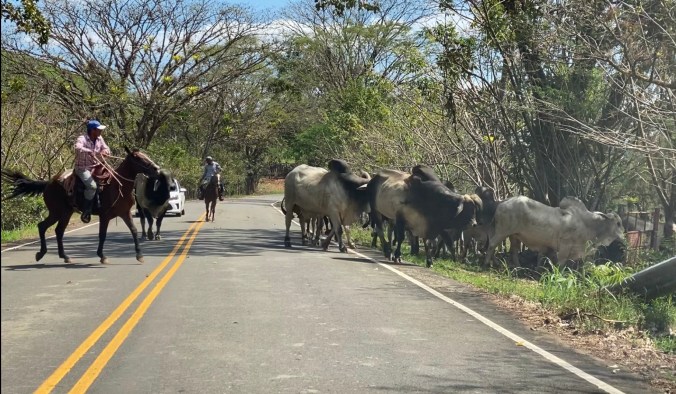 Off the Panamericana, conditions vary; you’ll find some brand new roads that might not even be on the map yet, but you’ll also find some badly potholed stretches that will try your patience. The potholes themselves aren’t as bad as they seem; you can drive over most of them without much trouble, and the biggest ones are easy to avoid. The problem with potholes is the other drivers, who attempt to weave between them, driving about twice the distance in the process. It gets truly insane; drivers seem like they’d prefer a head-on collision with a dump truck to the slight bump of crossing a pothole. When you do find someone you don’t mind driving behind, don’t get used to it; after a few hard bumps, the driver’s insect brain kicks in and the car starts weaving like all the others. Perhaps the most frustrating part of this experience is that so many of these drivers are in pickups that can easily handle the bumps. Pass them; even if you make them mad, they’ll never catch up to you, because they’ll be weaving all over the road, trying to avoid the potholes.
Speaking of bumps, be on the lookout for speed bumps whenever you pass through a town or drive past a police station. These range from a length of thick rope stretched across the road to something designed to rip the axles off your car. Take them all very slowly — slower than you think you need to.
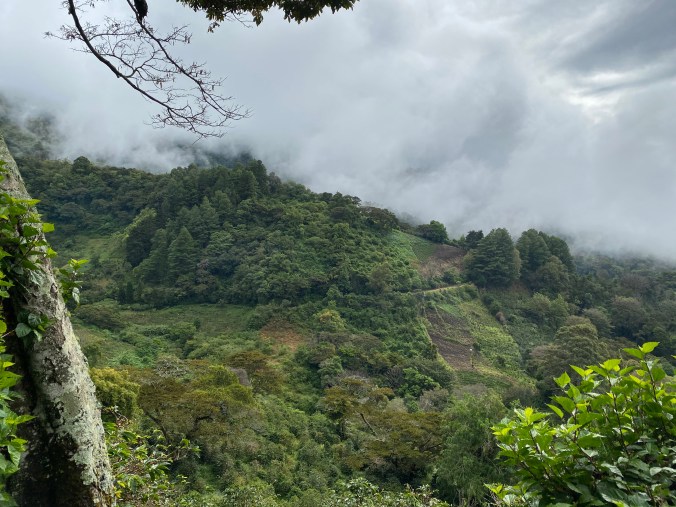 Finally, it’s unlikely that you’ll completely avoid dirt roads. Rental car contracts typically prohibit you from driving on them and your credit card’s insurance coverage probably isn’t valid on dirt roads, but you’ll go through construction zones, and if you’re exploring, you’re going to come to the end of the payment eventually. Whether you make an immediate U-turn or keep going to see if the pavement starts up again is your choice. Ultimately I spent a lot of time on unpaved roads, some of them quite bad. There were hills I was surprised I could climb and some dips and washouts I’m surprised I got across. The important thing was to ask the question, “If I have to come back this way, can I make it through?” Trying to make it up a steep hill was fairly safe, but any hill I went down, I had to be certain I could get back up, and that occasionally involved getting out of the car and taking a closer look before I committed.
When I returned the rental car, I was told I had to get it washed, which I didn’t mind, but I was a bit annoyed because there was no mention of this in the contract. When I returned from the car wash there was a long line in the office, and that was pretty frustrating. Other than that, my return was easy. The proverbial “other shoe” did not materialize. An employee glanced over the car and found nothing to report, even though I’d noticed a few, tiny dings and scratches. My tolls were deducted from my deposit, and the rest was refunded to my card. They also took care of a traffic ticket for me, for a $30 administrative charge. More on that below. After reading other people’s nightmare stories about renting cars in Panama, I was pleasantly surprised at how well everything went, but I could tell that other customers in the office had read the same stories and wanted to bicker over the insurance or the toll road charges. Frankly, I didn’t get it, people,need to learn to take the win. I rented a good little car for two weeks for about $400 and was treated well. Maybe that rental office was the exception, so I won’t tell you which one I used because I don’t want to stand behind you in line if I go back to Panama and need to rent another car.
 The cops: Panama is obsessed with law enforcement and security, and it’s probably my least favorite thing about the country. At the airport I was questioned and fingerprinted, but once you’ve made it through customs and immigration, the security theater mainly takes the form of police and military checkpoints, which of course are easily avoided by criminals, because they can, you know, see them. That said, in every dealing I had, whether with police or the army, I was treated well, and in most cases I wasn’t held up for more than twenty or thirty seconds. The two exceptions both took place on the same day, not surprisingly, on a drive through Darien province. There’s a permanent military checkpoint where you have to actually park your car and check in and out of the area; this is presumably because at the end of the highway you reach the infamous Darien Gap, which is considered one of the most dangerous places on earth. The other instance I had when a checkpoint was more than a quick stop was when I was given a ticket by police for unsafe passing; this was frustrating, as I had not passed anyone, but had merely pulled to the left to see if I could safely pass a slow truck, and decided that I could not. The officer was polite, right up until he handed me the ticket without saying a word and disappeared before I could ask him anything about it.
Fortunately, traffic tickets are pretty straightforward in Panama. Each type of infraction has a numerical code, and they’re listed on the back of the ticket. You can then go online and look up your fine, and pay it at any ATTT office. Mine was $75; in contrast, the last ticket I got at home was $109, and that was only after pleading guilty and getting the judge to reduce the fine. Where I ran into a problem was when I tried to pay the ticket and it wasn’t yet in the system; I later learned that in more rural areas, where the cops are still using handwritten tickets, it can take a month or so for them to be entered into the system, and unless they’re in the system they can’t be paid. Not wanting to be in trouble if I go back to Panama, my only good option was to let the rental car company take care of the fine and pay them an extra $30 to handle it. In the States, I once paid someone else to handle a ticket for me and it was $200 to a lawyer to get the citation thrown out. Good outcome, but still almost double what I paid in Panama.
I’d be more upset about getting a bullshit ticket if I hadn’t later illegally passed a cop while he was trying to make a left turn, and suffered no repercussions. I also had an issue in Colón where Google Maps was giving me turn-by-turn directions, but was one turn behind me, and thus sent me the wrong way down a one-way street, right in front of two cops. I quickly realized my error and made an illegal U-turn, waved to the cops as I drove back past them, and was on my way. If they wanted to pull me over, they were going to have to get on their bikes and chase me down; fortunately, they didn’t seem to care. I’d read another blogger’s account of a very similar scenario in which he had paid a bribe to a cop, and it made me angry, not just that it happened, but that the writer seemed proud of himself for the way he’d handled the situation. I maintain my position that unless you are in actual, physical danger from a corrupt cop, you should never pay a bribe. In most places where this kind of bribery is a problem, the government is trying to eliminate it, and when you pay bribes, you simply reward bad behavior and ensure that more people will be ripped off in the future. I get that it’s tempting; bribing a cop in Latin America is cheaper than virtually any interaction you’ll have with law enforcement in the United States, but what’s cheap for me or you isn’t cheap for everyone, and a culture of bribery can be devastating for people who live in that community and are just trying to get by. Besides, you know what’s even cheaper than paying a bribe? Not paying it.
I confess that I’m guilty of bribing a cop in Nicaragua several years ago, to the tune of about $3, but in truth if I had stood my ground and demanded a ticket for my supposed infraction (not having reflective triangles stuck to the back end of my rental car — yeah…) I would probably not have gotten the ticket, and if I had, the rental company would have been responsible for it. In Mexico I was once asked for a bribe, but got out of it by playing the bumbling white guy who doesn’t speak Spanish well enough to understand what’s happening. I first pretended not to know what the words “multa” or “boleto” meant, then asked to go to the station with the officer to pay my fine (this is the Mexican government’s instruction in such situations), but when he insisted that I give him $20 then and there, I pulled out twenty pesos (at that time, about a tenth of what he was asking for), in coins, held them out the window in full view of everyone around, and tried to count them out as I handed them to him, one by one. This made the officer very nervous about being seen taking a bribe, and when he tried to make me keep the money hidden inside my truck, I ‘accidentally’ dropped a few pesos on the ground, and attempted to get out and pick them up. At this point the officer practically sprinted back to his car and took off, and I drove away laughing my ass off. Admittedly this would not have worked if I spoke better Spanish, but waving a handful of dollar bills out the window and dropping one, or keeping your cash hidden, asking the officer to accompany you to an ATM, and repeatedly entering the wrong PIN — probably pretty effective. Again, if you’re in physical danger, pay the bribe, but if not, I say have fun with it.
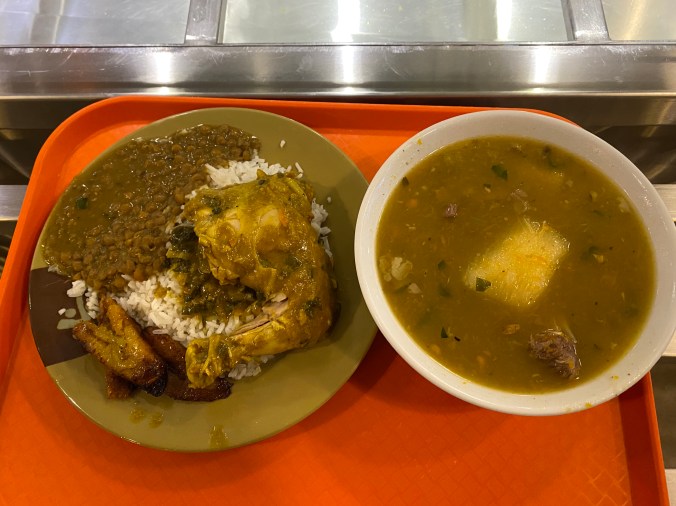 The food: It’s… not great. If you love fried chicken and French fries, you’ll be in heaven, but otherwise it’s pretty dull. I felt like I was just starting to figure out the food when I left; Creole cuisine was the best stuff I had in Panama, and I really wish I’d discovered that sooner. There’s not much of a late night dining culture, even in the cities, and there’s also not much of a breakfast scene, so try not to skip lunch. I had a hard time finding good restaurants; so many places were dark, dingy looking, and empty. Whenever I went into one of those places, I got decent food and quick service, but… it was always chicken and French fries. Even in a Peruvian restaurant at an eco-resort, when my food was supposed to come with purple potatoes, it was (yellow) French fries. There were some Mexican places around, but I never found any of them open; also, in Panama, tortillas are little corn cakes, and sausage is hot dogs, so beware. I almost never ate three meals in a day, and sometimes had only one; Snickers bars were a big help on days when I was mainly in little beach towns, Ngäbe villages, or the jungle. In more tourist/expat towns there were always more places to eat, but they were much more expensive. I could eat at a chicken shack for $4, but in a tourist town I’d pay US prices.
My first night was the worst because I got in late, wandered around for awhile, looking for food, only to settle for McDonald’s after about an hour of fruitless searching. That particular McDonald’s was bad, even for a McDonald’s, and there I discovered that in Panama, 7Up/Sprite (Sebenup/Espraiy en español) are not as easy to find as they are everywhere else in the world I’ve ever been, and people apparently think ginger ale is a perfectly reasonable substitute. This is, of course, insane. After a pretty disappointing cuarto de libra and some even more disappointing French fries, I stepped out of the McDonald’s and found all the late night food stands, literally visible from inside the restaurant.
 Lodging: I tried to stay on the cheap, but found it a little more difficult to do in Panama than in other places I’ve been. You can stay in a hostel and share a room with a bunch of strangers for about ten bucks, but I wasn’t eager to lie awake at night listening to people snoring in twelve different languages, so I went for private rooms. I used hotels.com and got some good deals, but my average room was just under $50. Some rooms were a great value for the money, and others were utter garbage. The most I paid was $80 for a very nice room at a beach resort — not my usual kind of place, but it was the only thing I could find in that area. One night I was in a town that didn’t have any hotels.com listings, so I tried AirBnB and found it to be a complete pain in the ass. It’s no good for last minute booking, because you end up sitting around waiting for the host to approve you. I ended up finding a place on booking.com, then turned around and saw that it was right behind me, so I walked over and booked it in person instead of using the site. I got a better deal that way and didn’t have to set up an account with yet another online business.
It’s worth noting that at the high end, you can spend over $400 for a room, which I obviously never did, but if you’re that kind of person, go for it, I guess. If I could charge people that much money to give them a place to sleep, I suppose I’d do it, and if I ever felt guilty about it, I bet the kind of person who spends that much on a room would find a way to ease my mind.
The money: Panama uses the US dollar and its own currency, the balboa, which are of equal value. Any paper money you use will be dollars, but your coins will be a mix of US and Panamanian money. Balboa coins are far more common than dollar bills; centesimos, often called centavos by locals, are the same size and color as their equivalent US coins, which makes counting out change very easy for Americans. Panamanians like exact change, especially at the gas station; if you don’t have it, they might ask you for it. If your total is one or two cents over a whole dollar amount and you don’t have the change, you’ll probably come out ahead, but if you’re owed a couple cents in change, you might not get it. It all evens out.
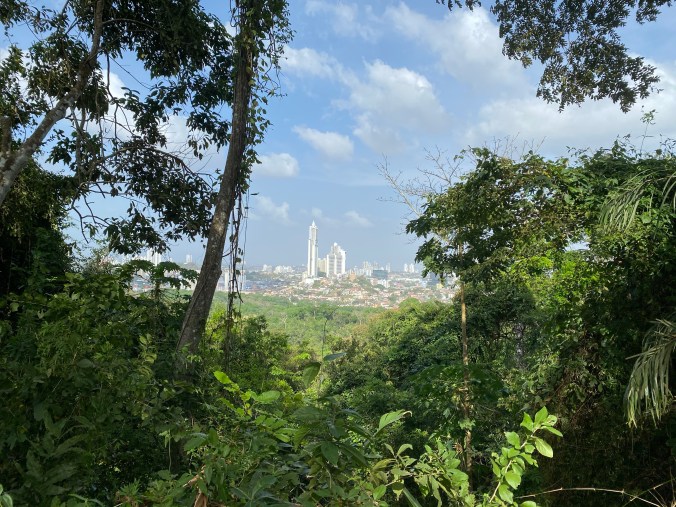 The economy: This is a subject that should include a lot of data, and instead I’m going to give you my unsubstantiated impressions and opinions. Why? Because you can get the data someplace else.
First, having its currency tied to the dollar makes Panama’s economy more stable than a lot of other Latin American countries’. For Americans, that’s a double-edged sword; an investment you make in Panama is likely to be a safer one, but you’re also not going to get the kind of killer deals you can get in Mexico, especially whenever the peso takes a nosedive.
 Second, because of the canal, decades of foreign investment, and other factors, Panama is more expensive than most other Latin American countries, but it’s still cheaper than the United States and it’s cheaper than Costa Rica. Unlike Costa Rica, in Panama you get something in return for the added cost of living: the best roads in Central America, the lowest crime rate in Central America, and in most places, you can flush your toilet paper down the toilet without creating a humanitarian and environmental disaster. That’s right — in Panama, they literally have their shit together. If you’re reading this and have no idea what I’m talking about, you’ve either never been to Central America or you’ve been clogging up the pipes down there without realizing it.
Real estate is still fairly reasonable in Panama, although it depends on where you go. I’m hesitant to write much about it, because I don’t want to encourage a bunch of white people to move there and drive the prices up, and since there are millions and millions of people reading this, that risk is very real. What I will say is that when it comes to agricultural land, you’ll pay more for an Iowa cornfield than a Panama cattle ranch, and the coconuts in Iowa suck. As does Steve King.
I was told by a business owner in Boquete that Panama has a rising middle class, and as I looked for evidence of this, I found one sure sign that he was correct — lots of adults with braces. That’s simply not something you see unless people grew up poor and reached the middle class in adulthood.
The city of David in western Panama is reportedly growing quite quickly, with a new mall going in that will be the nation’s largest, and a planned expansion of their airport, so that before long, you’ll be able to skip Panama City and fly direct to David from the States. The mall is expected to employ 30,000 people, and major housing projects are going in on the outskirts of the city. People are predicting rapid economic growth, but I believe things will move a little slower; it is still Latin America, after all, and there are always unforeseen setbacks. For example, airport growth has already been hampered by Boeing’s 737 MAX debacle; I was told that Copa Airlines ordered 100 of them.
I have more thoughts about western Panama; if you’re interested in investing there and want to know what I think, contact me.
Forestry and agriculture: Like much of Central America, Panama is cattle country. About 99% of the cattle I saw were Brahmans of one sort or another, most of them polled. I also saw Holstein-Friesians, especially in the dairy country on the way to Volcán, and I saw Jerseys, Angus, and some Brahman crosses. One ranch was advertising Beefmasters. It’s always interesting to me that there are so many cattle in a place where beef is generally considered inedible; personally, I’ve always liked the flavor of Central American beef, but it is tough as hell.

I saw very few goats as I drove around, and those I did see were mixed breeds that appeared to be mainly for dairy. I saw only one property with sheep, and they only had three of them that I could see; they looked like Lacaune. The few water buffalo I saw were river type, and were very small. I’ve always been a fan of swamp buffalo in terms of their appearance, but river buffalo are far more common in the west. I saw a few pigs, mostly mixed breeds and small; the most memorable one was a black and white piglet being walked on a leash by a little Ngäbe girl.
Horses were common, but small; I saw some very healthy looking horses, and plenty that were starving. I saw very few mules and no donkeys.
 As far as poultry, there were chickens everywhere, both the local village type and hatchery birds like black copper Marans, Plymouth Rock, and others. I saw a few turkeys that looked like mixed breeds with Narragansett and royal palm genes. I saw no mallard type ducks, but came across Muscovy ducks on a few occasions, always black pied. I saw no geese. I saw no Guinea fowl, quail, or any of the more ‘exotic’ poultry. I’m aware of people raising king pigeons, but did not see them personally.
The major crops I saw were bananas and plantains, sugarcane, and coffee, along with a fair amount of corn. At roadside stands people were selling mainly pineapples, melons, citrus, and yucca; pickup trucks loaded with watermelons were a common sight. There were a lot of coconuts around, but I didn’t see anyone farming them; the trees are ubiquitous in the lowlands. In Cerro Punta there are major commercial vegetable operations growing onions, carrots, celery, kale, and other crops, often on steep slopes that have to be tended by hand. I also found potted flowers being produced in Cerro Punta, and I believe the area is suitable for cut flower production.
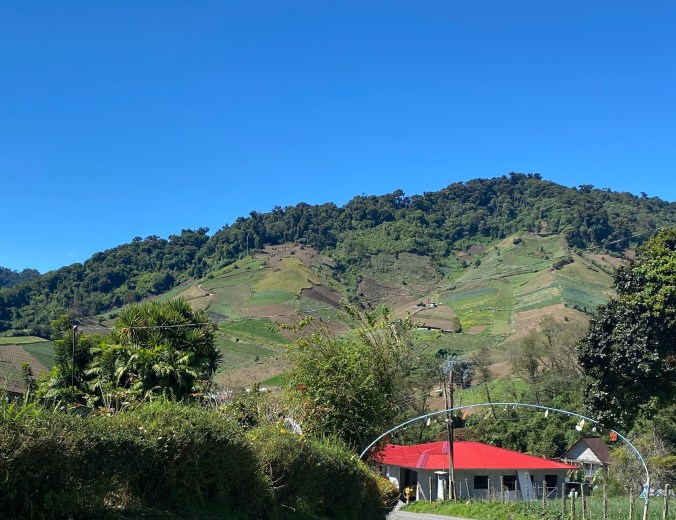 The Chiquita banana farms on the Caribbean coast were a disturbing sight, as the plants are grown essentially as row crops, with a heavy load of synthetic chemicals. There is not so much as a blade of grass growing in among the banana plants, only bare dirt. Developing bunches are bagged in blue plastic, presumably to protect them from pests, or possibly for hormone treatments. I didn’t take the tour and I’m not familiar with large scale commercial banana farming practices, so I don’t know exactly what the bags are for, but regardless of their specific purpose, the industry is using a great deal of plastic. These bananas are grown in stark contrast to the bananas people are growing for themselves, surrounded by trees and other jungle plants, with apparently very little adverse effect. Private growers seem to be producing quite well, perhaps not enough to make a living, but certainly enough to have a surplus of fruit.
My impression of the forestry sector was that resources were largely underutilized; I came across numerous lumber yards that looked nearly abandoned, and frequently saw valuable logs being wasted. In a few cases I saw logs with their end grains sealed, suggesting that they were destined for high dollar buyers somewhere down the supply chain.
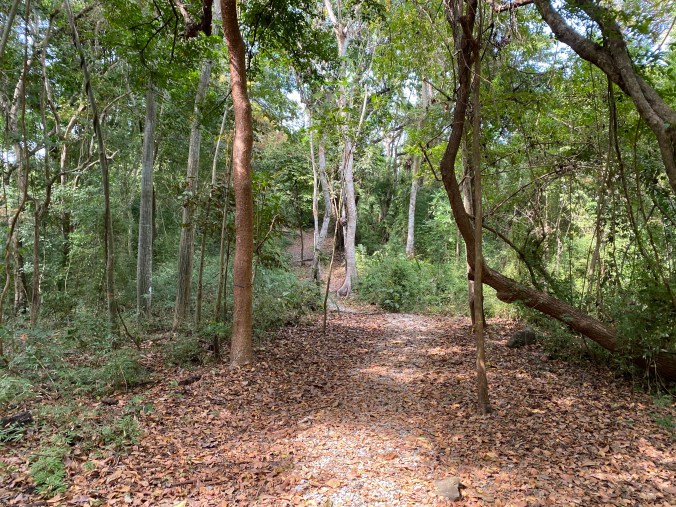 Teak is a big business, but teak farming as it’s done in Panama is somewhat of a disaster. The trees are grown in a monoculture with minimal spacing, and their large leaves are continually shed, covering the ground and preventing any undergrowth from developing. It is also apparent that the trees remove a great deal of moisture from the soil; nearly every teak farm I saw had the same problem — no other living thing could survive there. On the few occasions where trees were spaced farther apart, grasses and other plants were able to grow, and in one case I even found cattle grazing among the teak trees. Certainly there is a way to grow teak without destroying the soil and making the land unusable for any other purpose, but the impact on the quality and characteristics of the lumber needs to be researched. I was told, but have not yet verified, that the teak grown in Central America is also a variety of lower quality than what is produced in Asia.
The government of Panama encourages tree farming, and has released a report comparing the performance of various native trees in different growing conditions. The report finds that many native trees outperform teak and have similar, if not superior, lumber characteristics. In my market research I’ve found that some of these species are quite valuable, but little has been done to promote them internationally.
With its lack of a significant manufacturing sector, very little lumber produced in Panama is used there; logs are far more likely to be exported. In my time there, I saw only one business selling handmade furniture, and it looked to be of poor quality. If efforts were made to train woodworkers in Panama to produce high quality furniture and other items, fewer trees could be harvested to make more money, and the money would stay in Panama. As it stands, its richness of resources and lack of manufacturing mean that Panama exports raw materials, value adding is done elsewhere, and the country then imports its consumer goods. This means the biggest profits are being made in other countries, and Panama is only getting its piece by charging canal tolls.
It’s my belief that rural economic development would be more successful in Panama if more people were trained in traditionally downstream processes in the supply chain and communities created signature products for domestic sales and export, that could be marketed as the world’s best, made nowhere else. This could be especially beneficial for black households and in indigenous communities, where the rise of the middle class isn’t being felt in the same way as it is elsewhere in the country. A model for this is found in southern Mexico, which has some of the world’s most skilled artisans, making products that can be found nowhere else in the world; in fact, in many cases, only one town in all of Mexico makes a particular product. This has been a few hundred years in the making, however; developing traditions, skills, and markets takes time, and it is, of course, up to families and communities to decide whether to pursue such a course. I ran into a few white savior types on my trip, and got the impression that things were going about as well as you’d expect…
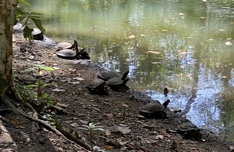
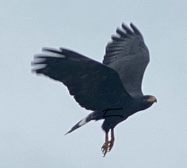
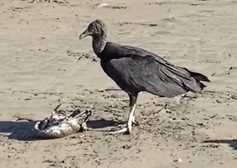
The wildlife: Whenever you travel, you have pretty much two choices for wildlife viewing: go to established tourist places that have lots of wildlife sort of there to be looked at anytime, or stay someplace a really long time and just wait for the animals to show up. So I didn’t see much this trip. I saw a lot of birds, especially grackles, flycatchers, vultures, and the ever-present yellow-headed caracaras. I also saw quite a few of the larger, crested caracaras, a Harris hawk, some small parrots, toucanets, various herons and egrets, frigatebirds, and pelicans. In quadrupeds, I saw a coati, an armadillo, two different squirrels that I really liked, some small iguanas, and a herd of deer. One of the main reasons I’d like to go back by boat is to spend some time on the Gatún lake where I think I’d see a lot more wildlife, especially caimans and crocodiles, which I’m pretty into. I have some very grainy wildlife pictures here, plus a video of some leaf cutter ants, which are all over the place in tropical America, but readers up north may not have seen them outside of a zoo or the Discovery Channel. Apologies for the shaky hands; I was hiking and I’ve definitely been in better shape.




Low point of the trip: Aside from the obvious systemic issues, probably the food.
High point of the trip: Ngäbe kids.
The epiphany: Yes, I had a major one, but I’m not telling what it was. My journal entry for that day had the phrase “holy shit” in it so many times I just refer to it now as the holy shit day.
Would I go back? In a heartbeat. This time I went everywhere I could go in a car; next time I’d like to go everywhere I can go in a boat.
What I did right: Renting a car instead of trying to see the place by bus or just plopping my ass on the same beach for two weeks.
What I’d do differently: I’d pack a set of silverware, I’d skip Almirante and Bocas Town, and I’d skip Casco Viejo. I get that Bocas del Toro and Casco Viejo are a lot of people’s favorite places in Panama, but I thought they totally sucked. I’m certain other islands in Bocas are better, but since I was paying for a rental car, I didn’t want to leave it parked. As for Casco Viejo, I took two pictures there:
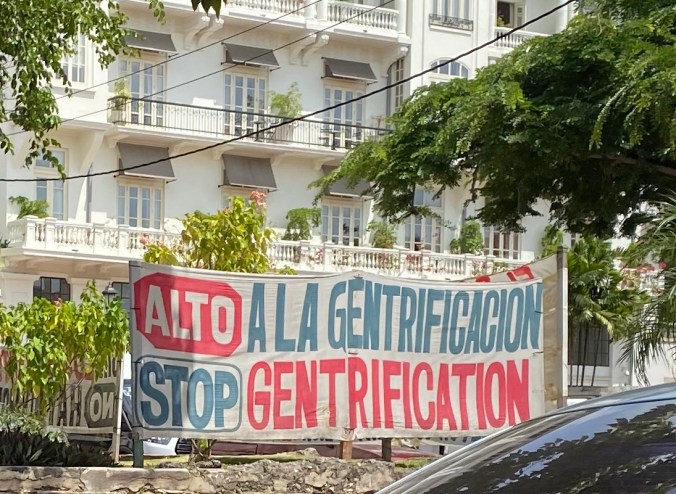
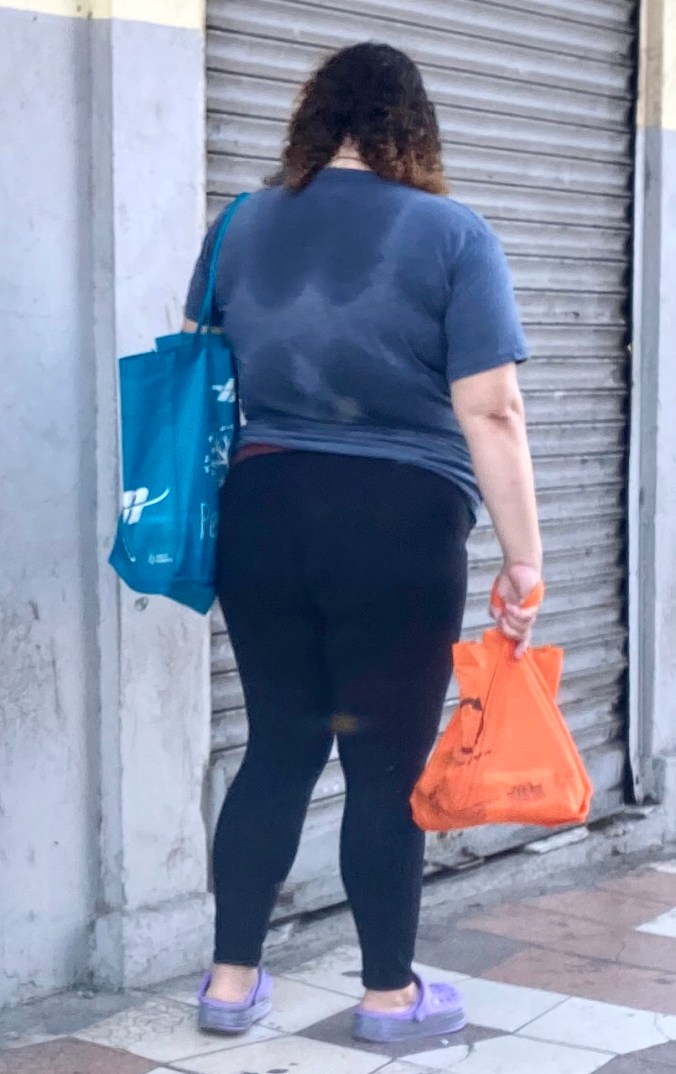
’nuff said.
Is Panama suitable for my project? Yep, I think it is. I wasn’t sure, but then I had that holy shit day.
Wanna talk about it? Send me a message.
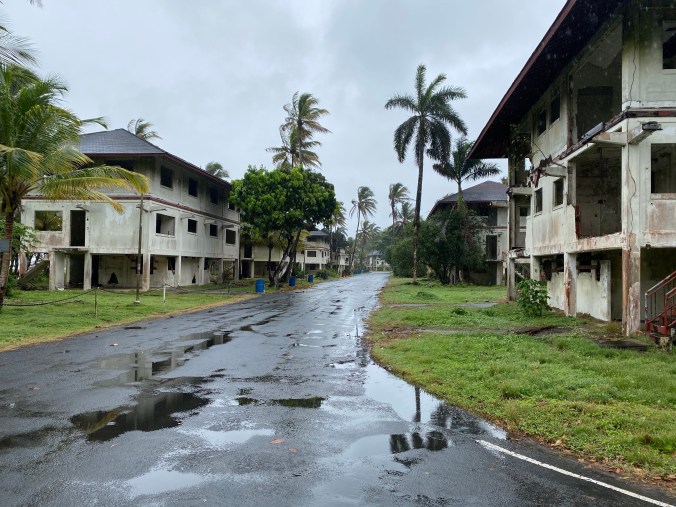
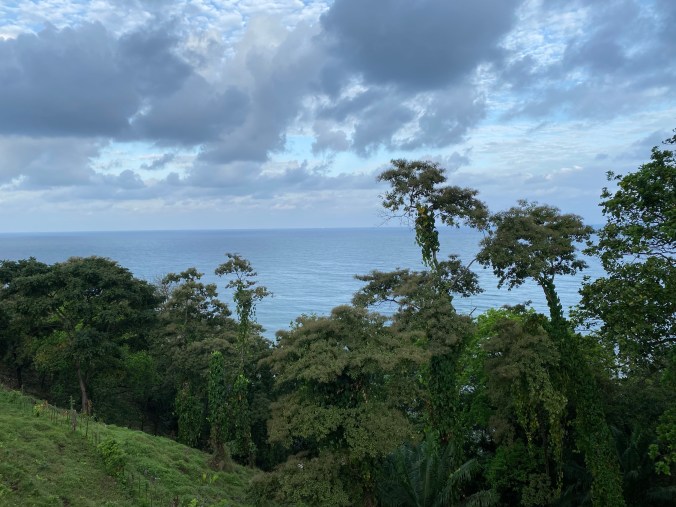
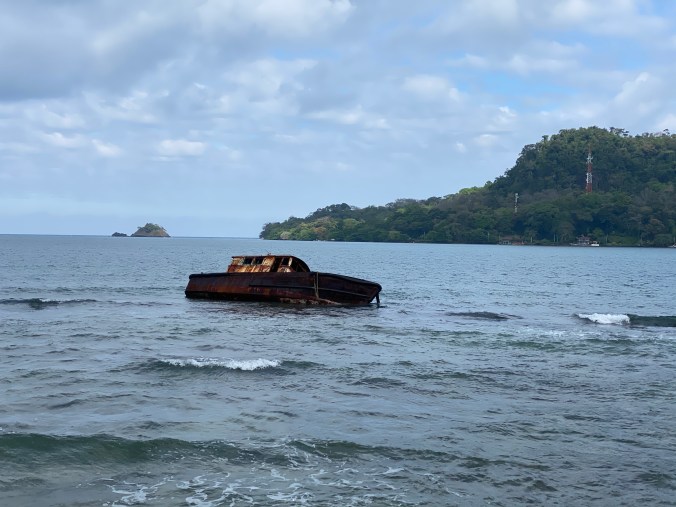
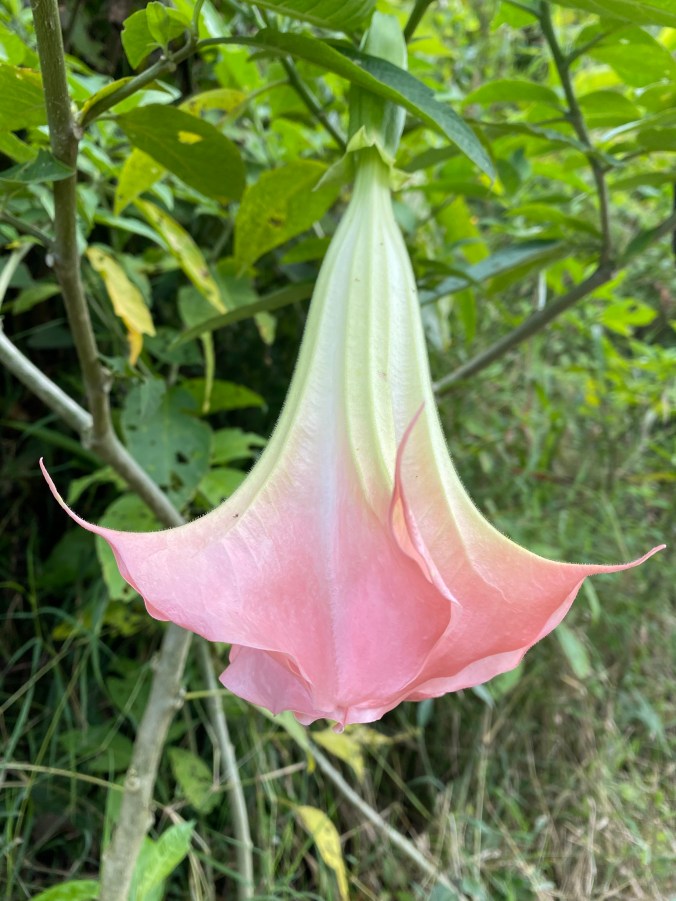
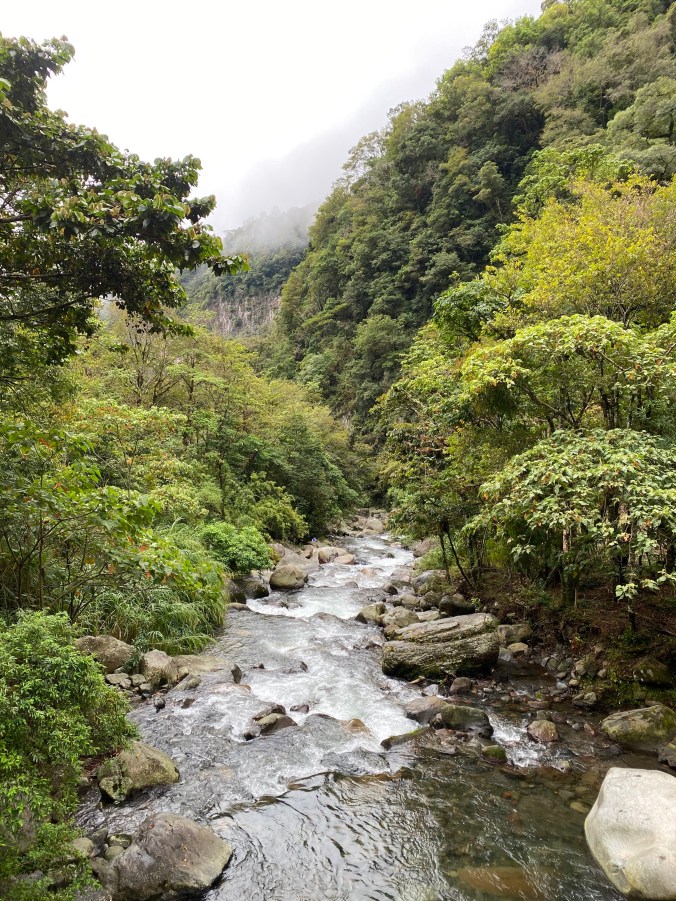
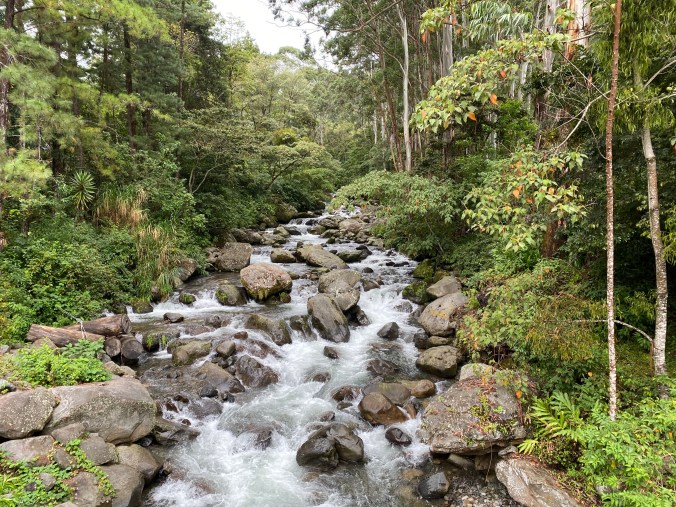
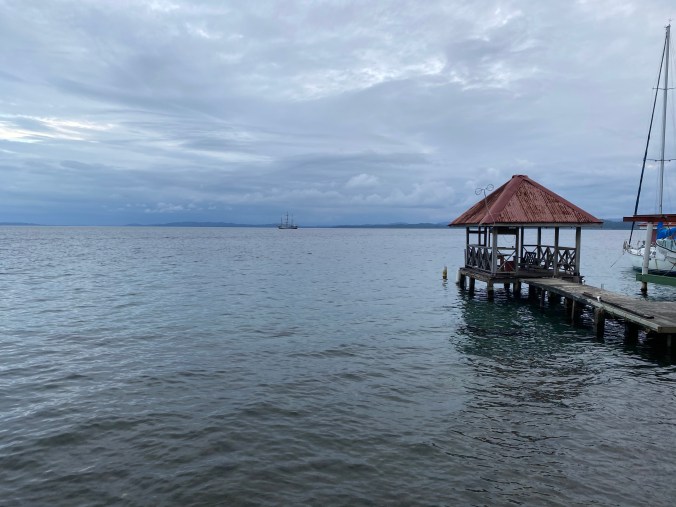
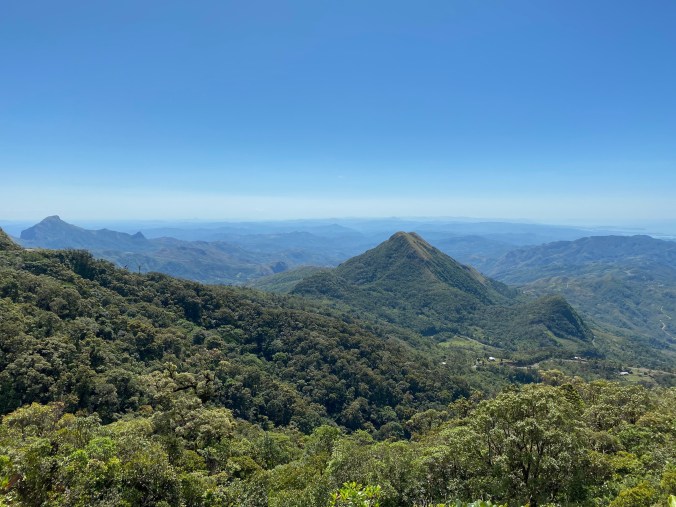
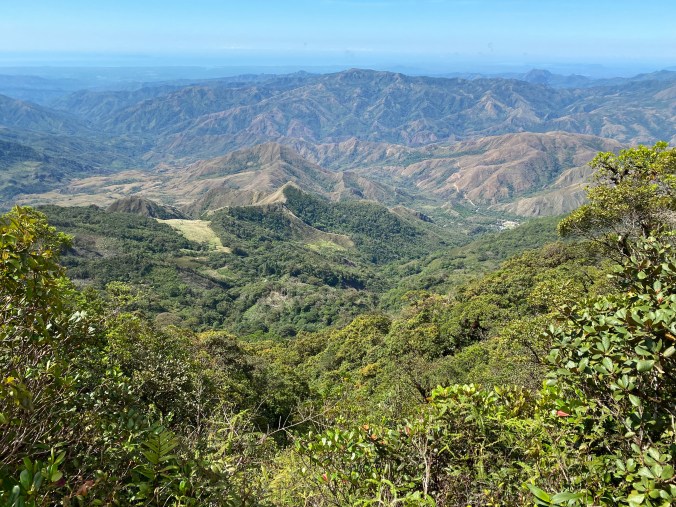
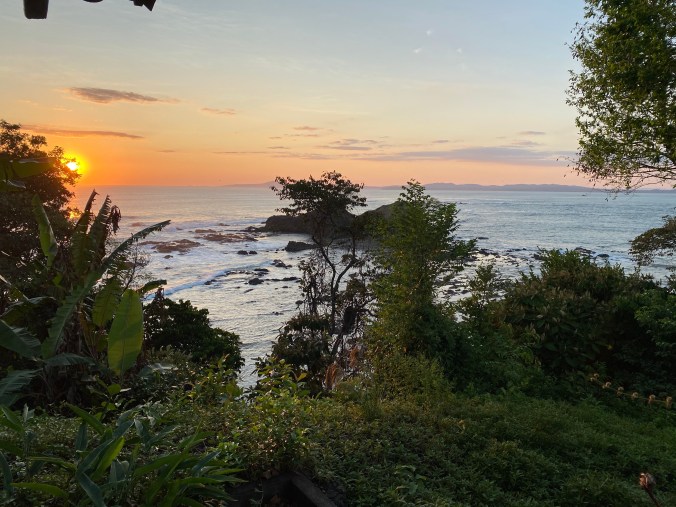
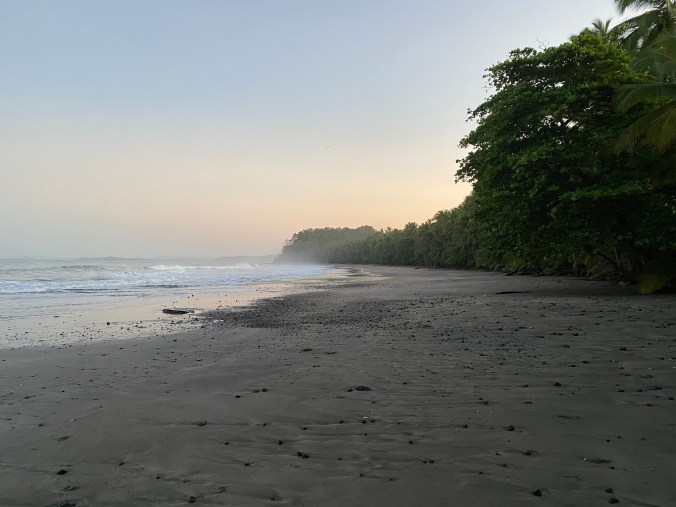
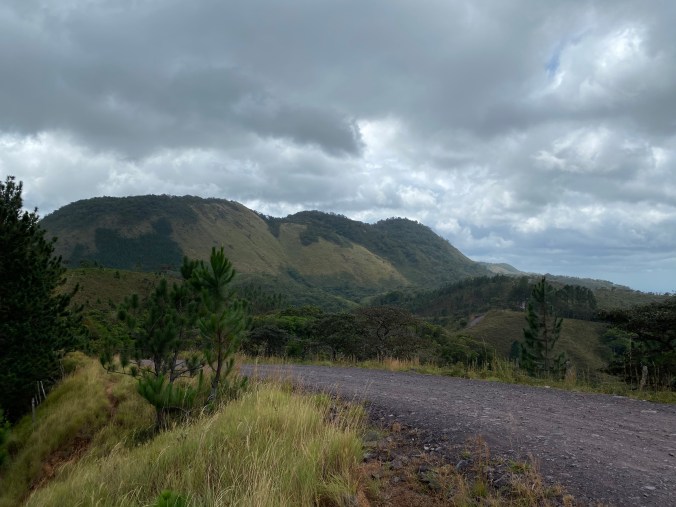
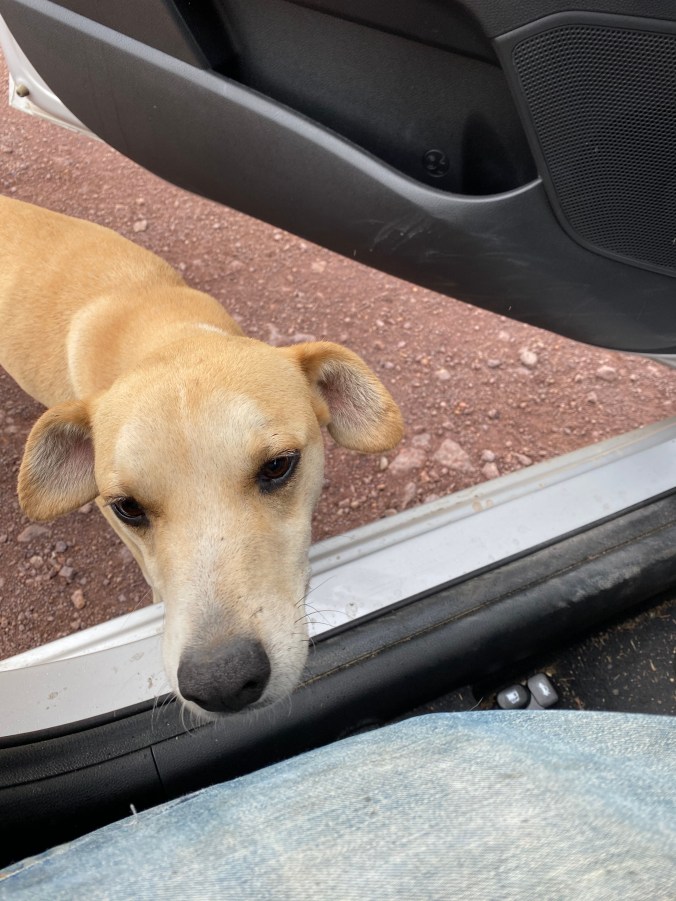
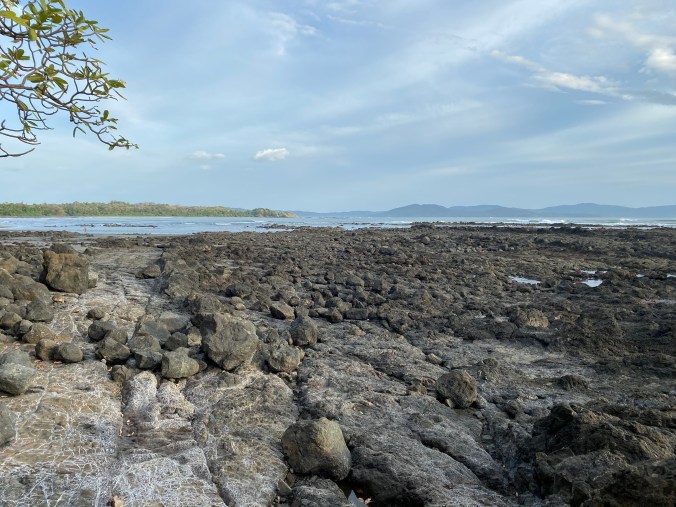
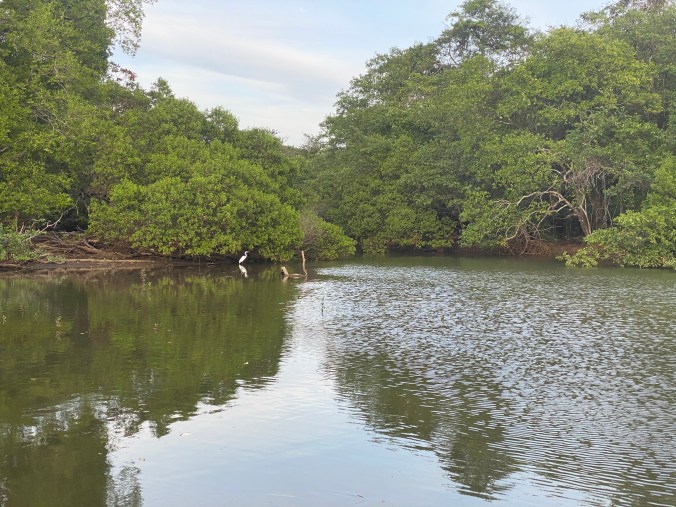
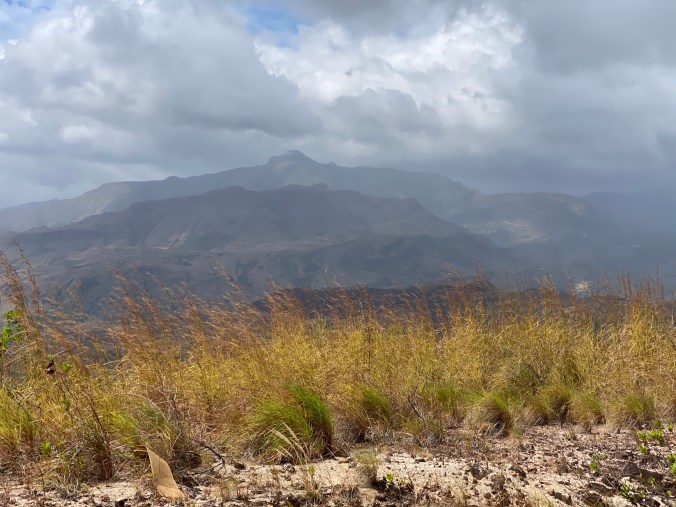
A few more shots from my trip:












 year 45